
Loneliness and companionship in later life
Feeling lonely later in life is far more common than most people admit, and it's nothing to be ashamed of. Here's an honest look at why it happens, and the small steps that help.
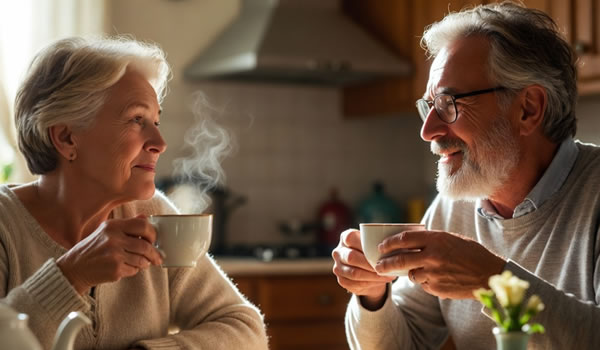
If you've been feeling lonely, the first thing worth saying is that you are in enormous, if quiet, company. Loneliness in later life is widespread, and research consistently finds that a significant share of older adults feel lonely often, particularly after retirement, bereavement or a move. It affects thoughtful, sociable, well-liked people every bit as much as anyone. It is a circumstance, not a failing, and certainly not something to be ashamed of.
It also matters, because loneliness isn't only unpleasant. Sustained loneliness is linked to poorer health, and staying connected is genuinely good for both mind and body. So wanting more company isn't indulgent. It's one of the kindest things you can do for yourself.
Why it creeps in later in life
Loneliness in your sixties and beyond usually isn't about anything you've done. Life simply thins out the built-in company most of us relied on for decades. Work, with its daily faces, comes to an end. Children grow up and move away. Friends and partners fall ill, move, or die. The result is that connection, which once happened automatically, now has to be chosen and built on purpose. That's an adjustment almost nobody is prepared for, and it takes most people by surprise.
Understanding that helps, because it moves the problem from "what's wrong with me" to "what can I do", which is a question with real answers.
Small steps that genuinely help
Companionship rarely returns in one dramatic stroke. It rebuilds through small, repeated, ordinary moments, and the steps are gentler than you might fear.
- Add one regular thing to your week. A class, a group, a volunteering morning. Regularity is what turns strangers into familiar faces, and familiar faces into friends.
- Reach back out to people you've lost touch with. A short message to an old friend is often warmly received, and easier to send than you expect.
- Say yes more often. When the effort of going out feels like too much, that's frequently the very moment it's most worth doing.
- Let technology help. A video call with distant family, or an online community of people your own age, can fill the quieter hours between outings.
- Be gentle and patient with yourself. Rebuilding a social life takes a little time, and every small step counts more than you think.
Where to find support
If loneliness is weighing on you heavily, please know that real help exists and reaching for it is a sign of good sense, not weakness. Organisations such as Age UK and the Campaign to End Loneliness offer friendship services, local groups and a friendly voice, and similar charities operate in most countries. If low mood is becoming hard to carry, your doctor is a good person to talk to, and there's no shame at all in doing so.
Companionship, and the wish for someone of your own
Widening your circle helps enormously, and for many people there comes a point of wanting something closer too: a particular person to share the days with, not just more faces in the week. That wish is entirely natural, and later life is a perfectly good time to answer it. People are healthier and more active than ever, and a relationship that arrives when you know exactly who you are has a quiet strength to it.
Meeting people online is one of the gentler ways to take that step, because everyone there is open to connection, which removes the guesswork and the fear of intruding. On 60 Singles you'll find people your own age nearby, along with chat and interest groups that offer easy company even before any romance, from the comfort of your own home. Our warm guide to finding companionship later in life is a kind next read, and online dating over 60 shows how simple it is to begin whenever you feel ready.
Loneliness can feel permanent when you're in it, but it very rarely is. It's a chapter, not a sentence, and the first small step towards company is almost always the hardest one you'll take.
If you're struggling to cope, you don't have to manage alone. Contact your doctor or a support organisation such as those above, who are there to help.
Ready to say hello?
Create your free profile in about two minutes. No card, no pressure.
Create your free profile